
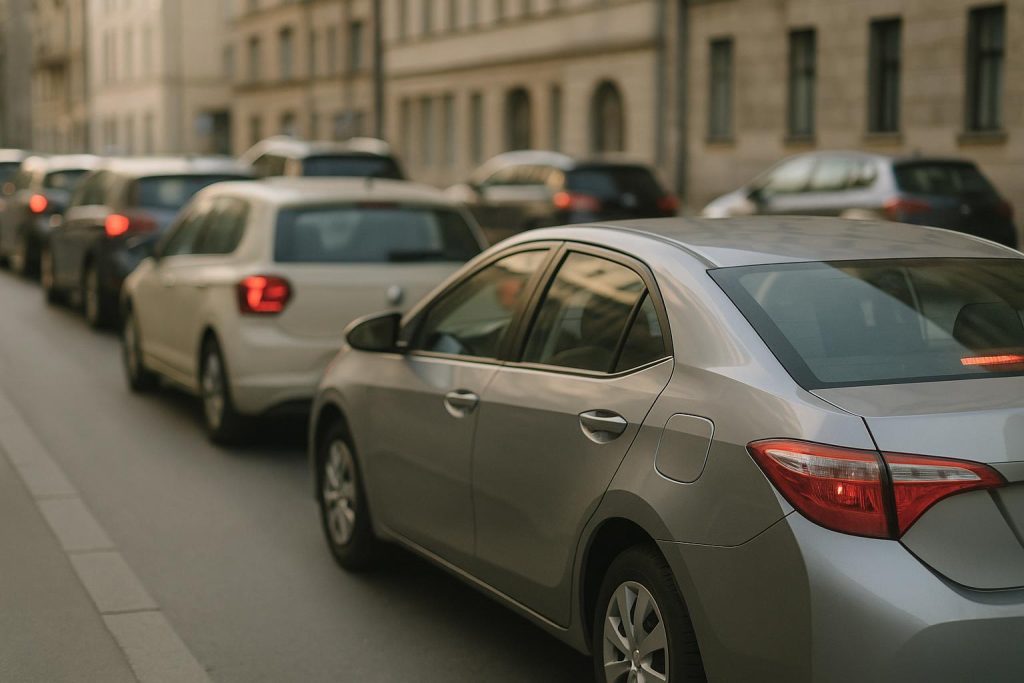
Complexities of Determining Fault in Multi-Car Collisions
Multi-car collisions can be overwhelming. They often involve multiple vehicles crashing in quick succession, making it difficult to pinpoint who is at fault. In some situations, a single driver may trigger a chain reaction that instantly involves other vehicles. In others, multiple drivers may each contribute to the crash by driving too fast, failing to maintain a safe following distance, or becoming distracted behind the wheel. Understanding how liability is determined can help you make better decisions about insurance, legal claims, and your own rights under Alberta law.
What Makes Multi-Car Accidents Different?
While any accident can have serious consequences, multi-car accidents present unique challenges:
- Chain Reactions: One collision can quickly lead to more collisions when following vehicles cannot stop in time.
- Multiple Perspectives: Because more drivers are involved, there are many potential versions of the event. Each driver may have a different account.
- Difficult Evidence Collection: Debris may be scattered along the road, and damage can come from several angles. This can complicate investigations.
- Potential for Shared Liability: With several vehicles and drivers, multiple parties may share fault, which leads to a comparative negligence analysis in many jurisdictions, including Alberta.
When these aspects are at play, accident investigations usually require more time, resources, and careful documentation from everyone involved.
The Role of Comparative Negligence
Under Alberta’s personal injury law, multiple drivers can share responsibility for a multi-car crash based on comparative negligence. This rule allows liability to be distributed according to the degree of carelessness each person demonstrated. If you are found to bear some responsibility, your compensation can be reduced by the percentage of fault assigned to you. For instance, if you are 20% at fault for following too closely and another driver is 80% at fault for suddenly switching lanes without signaling in hazardous conditions, you may still be eligible for compensation, but reduced by your share of fault.
This shared-fault system is designed to be fair to all parties. However, it does mean that accurately determining each driver’s role in the collision is often complicated. The more vehicles there are, the more crucial it is to collect detailed evidence.
Common Causes of Multi-Car Collisions
Not all multi-car collisions follow the same pattern, but there are some frequent causes that lawyers and insurers see:
- Distracted Driving: Checking text messages, fiddling with a navigation system, or simply not paying attention can lead to sudden reactions that cause chain-reaction crashes.
- Poor Weather Conditions: Snow, ice, and heavy rain can shorten stopping distances and reduce visibility, making it more likely that a minor incident becomes a multi-vehicle pileup.
- Excessive Speed: When drivers fail to adjust their speed to traffic and road conditions, they can create unavoidable hazards for those behind them.
- Following Too Closely: Tailgating is a significant contributor. If the leading car stops abruptly, following cars may not have enough time or space to react, triggering a series of rear-end collisions.
- Sudden Lane Changes: Swerving or changing lanes without proper signaling can force multiple vehicles to brake or collide as they scramble to avoid impact.
Once an accident has occurred, having a clear narrative of what happened will matter when seeking compensation through insurance or through legal avenues.
Collecting Evidence: A Foundation for Determining Fault
Evidence is king when it comes to unraveling the many questions that arise after a multi-car collision. Without thorough documentation, proving your version of events and protecting your interests can be much more difficult. Here are some steps that can help establish or clarify liability:
- Call Emergency Services: If anyone is injured, call 911 right away. Getting medical help is the priority, but having an official police report also helps document the basic facts.
- Take Photos and Videos: Use your phone to capture images of the vehicle damage, roadway conditions, weather conditions, and any traffic signs or signals in the area.
- Speak to Witnesses: Bystanders can provide critical insights. Secure their contact information and ask them for written or recorded statements if possible.
- Obtain the Police Report: Official reports often include key information: names of those involved, initial impressions of fault, weather details, and citations or charges. While not definitive proof, a police report is still an authoritative record.
- Engage Professionals: Accident reconstruction experts can sometimes help demonstrate how a collision happened, which can be especially useful in large multi-car collisions with conflicting stories.
With this evidence in hand, lawyers and insurance adjusters can better analyze liability. The burden of proof generally falls on the party alleging fault, so having comprehensive documentation is often decisive in whether your claims are successful.
How Fault Is Determined in Multi-Car Accidents
Once the key evidence is gathered, determining fault often involves multiple steps:
- Reviewing Physical Evidence: Vehicle damage, skid marks, and traffic camera footage reveal how the crash occurred. If a driver’s front-end damage matches another driver’s rear-end damage, that indicates how the vehicles collided.
- Examining Witness Statements: Independent witnesses can clarify who was speeding, who changed lanes rashly, and how the environment factored into the crash.
- Analyzing Driving Behavior: Were any of the drivers engaging in risky actions, such as speeding, driving under the influence, or ignoring traffic signals? These details often weigh heavily in assigning fault.
- Applying Local Laws: In Alberta, drivers are generally expected to leave enough space to stop safely. If a driver fails to respect this principle, they may be found negligent to some extent.
- Allocating Percentages of Responsibility: Each driver’s actions are measured against the standard of care. An insurer or a court may find one driver 30% at fault, another 50%, and a third 20%, for example. Those percentages determine how damages are apportioned.
Fault determinations by insurance adjusters are not always the final word. Sometimes disputes arise, which may lead to negotiations or legal proceedings. If the accident results in serious injuries or involves more than two parties, legal advice is often recommended. A lawyer can help you evaluate whether an insurer’s fault assessment is fair or whether a formal claim is warranted.
Potential Challenges & Long-Term Injuries
Multi-car collisions come with more than just determining who pays for vehicle repairs. People involved may suffer lasting physical, emotional, or financial consequences. The force of multiple impacts can lead to severe injuries, such as traumatic brain injuries, spinal cord damage, fractures, or chronic pain. When multiple drivers share fault, identifying who covers medical costs or rehabilitation expenses can become complex. If your injuries or losses are ongoing, ensuring you receive fair compensation for future expenses is critical.
Insurance companies also look for initial medical records, any signs of pre-existing conditions, and statements made during or after the collision. If you are suffering from injuries that may affect your long-term well-being, be sure to document all medical appointments, treatments, and recommendations. Doing so can help you accurately establish the full extent of your losses.
Working with a Lawyer: Assessing Your Options
Seeking professional legal advice can be valuable, especially if the accident involves considerable damage or injuries. A lawyer can evaluate all relevant insurance policies, assess the role of each driver, and help you avoid common pitfalls like accepting a quick settlement that does not cover your needs. Engaging legal representation may also be wise if there are complex medical issues that require extended treatment. Such representation can assist in:
- Interpreting Insurance Policies: Reviewing policy terms that may include provisions for underinsured or uninsured drivers to ensure you are covered.
- Negotiating with Insurers: Insurance adjusters may offer less than you deserve. Having knowledgeable representation can strengthen your bargaining position.
- Pursuing Fair Compensation: If multiple parties share fault, an accurate assessment of carelessness can help you claim the portion of damages you deserve.
- Gathering Expert Opinions: A legal team often has access to accident reconstructionists, medical professionals, and other experts who can clarify fault and substantiate injury claims.
Even if you ultimately decide not to file a formal lawsuit, a lawyer’s guidance can help you feel more confident in your choices.
Key Points for Handling a Multi-Car Collision
- Stay Safe: After impact, move to a safe area if possible and check for injuries.
- Document Everything: Take photos, seek witnesses, and file a police report.
- Notify Your Insurer Promptly: Report the incident to your insurance company as soon as possible, even if you are still gathering information.
- Speak Carefully: Do not admit fault or blame other drivers at the scene. Provide only factual statements to police and merely exchange basic details with other parties.
- Consult Professionals: Speak to a trusted legal professional if the collision involves injuries, disputes over liability, or complex insurance claims.
By following these steps, you position yourself to better protect your physical well-being, your finances, and your legal rights.
The Importance of Fair Settlements
Settlements for multi-car collisions differ widely based on the severity of injuries, number of vehicles involved, and the availability of insurance coverage. An insurer may attempt to settle quickly, especially if the facts of the collision suggest shared responsibility. Quick offers could be tempting when you need immediate funds for medical expenses or car repairs. However, settling prematurely can be risky. If your long-term needs are not considered, you may miss out on potential compensation that would help cover ongoing treatment or lost wages. A thoughtful settlement approach typically includes:
- Evaluating medical evidence to ensure future treatments are accounted for.
- Reviewing whether multiple drivers have separate insurance policies that might provide additional coverage.
- Assessing any permanent impact on your ability to work or enjoy your normal lifestyle.
- Ensuring that the assigned percentages of fault match the actual level of carelessness from each driver.
Sometimes, settlement negotiations do not result in a fair outcome. If that occurs, taking the matter to court may be the next step. Alberta courts will look at the evidence, listen to expert opinions, and allocate liability based on the comparative negligence model. While litigation can be lengthy, knowing it is an option can provide reassurance that your rights are protected if settlement talks fail.
When to Seek Professional Guidance
If you have been in a multi-car collision and the situation seems complicated, it may be a good idea to get personalized legal guidance. Handling multiple insurance companies, sorting through medical bills, and dealing with lost income can become overwhelming. Professional legal advice can lay out informed options, so even if you decide not to pursue a full-scale legal claim, you have a clear picture of potential outcomes.
Many people find comfort in understanding where they stand. A simple conversation about your rights can go a long way in helping you feel prepared for the road ahead. If you feel uncertain about negotiations, a consultation with a lawyer might help you avoid costly mistakes. Transparent conversations about your circumstances can also help you verify whether you have a claim worth pursuing or if an insurer’s current offer is reasonable.
Moving Forward After a Multi-Car Collision
Recovering from a multi-car collision involves more than just fixing your vehicle. You may need time to heal from physical injuries, address mental stress, and adjust your work schedule to accommodate medical appointments. If you need immediate guidance, you may consider visiting our Lawyer Services page to explore the different ways legal support can address your concerns. For further information or to discuss your circumstances, you can also Contact Us directly.
Taking proactive steps can protect your well-being and your finances. Whether you decide to handle the matter through insurance negotiations or go through the courts, being informed is essential. Understanding the basics of comparative negligence, collecting evidence, and knowing when to consult a lawyer will put you in a better position to secure a fair resolution.
Ultimately, fault in a multi-car collision is rarely black and white. It often takes thorough investigation and analysis to establish who is responsible. Yet, you do not have to take on this complex process alone. By staying organized, documenting every detail, and seeking accurate legal guidance, you stand a better chance of protecting your rights and finally moving on after a stressful collision.
