
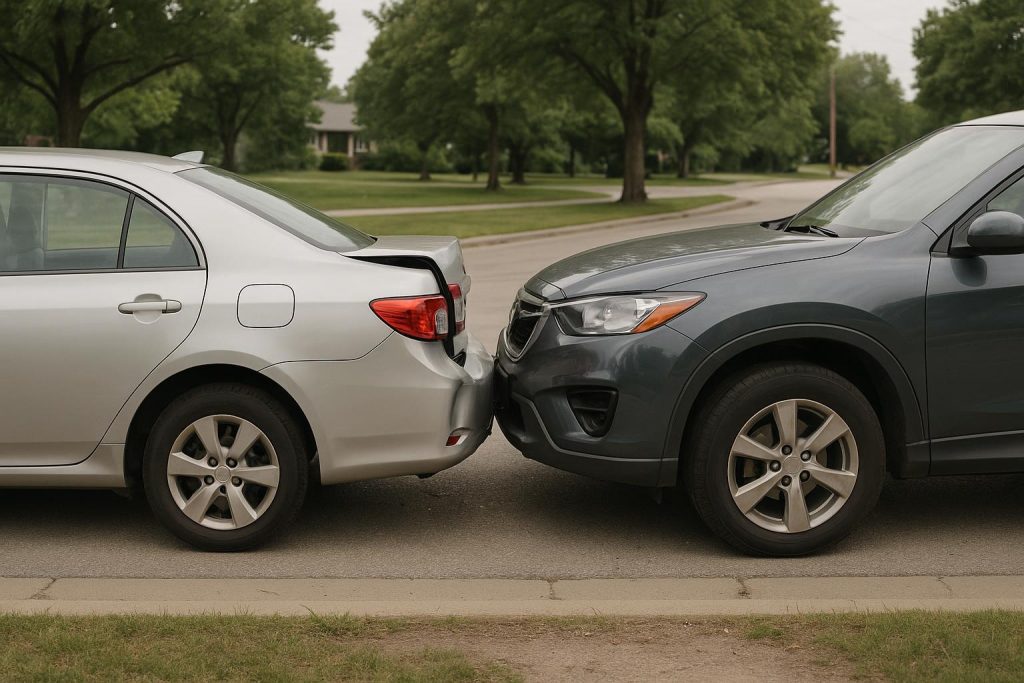
Gathering Detailed Information After a Car Accident
Being involved in a car accident can be a shocking and disorienting experience. Even if it happens in a split second, the effects may last weeks, months, or even years, depending on the severity of the damage and injuries. One effective way to protect your rights and interests in the aftermath of a collision is to systematically gather as much information as possible. Detailed and accurate information can be invaluable for insurance claims, potential legal processes, and record-keeping for your own peace of mind. In this guide, we will explore the essential details you should collect at the scene, the importance of documenting evidence, why medical records matter, and how to stay organized when it comes to safeguarding your legal rights.
Why Immediate Information Gathering Matters
In the moments directly following a crash, it can be difficult to think clearly. You may feel overwhelmed by the shock, fear, or pain resulting from the impact. Nonetheless, gathering information at this stage is one of the most critical steps you can take to protect yourself and others. Here are some key reasons why immediate information gathering is crucial:
- Accuracy: The details are freshest in your mind and in the minds of other eyewitnesses right after the accident. Waiting too long can result in forgotten or distorted recollections.
- Evidence Preservation: The scene of the crash will eventually be cleared, and vehicles will be moved. Capturing the exact conditions, positions of vehicles, and damage right away helps preserve evidence that may later be useful.
- Legal Requirements: Depending on your jurisdiction, it may be legally required to exchange certain information with other drivers. Failure to exchange driver details at the scene can create complications or result in penalties.
- Insurance and Claims: Insurance companies rely heavily on the information collected at the scene to process claims. The more complete and accurate your documentation, the simpler the process can be.
Start with Basic Driver and Vehicle Details
One of the first steps involves ensuring that you and all other drivers exchange your most essential information. This is typically mandatory and helps everyone involved handle insurance issues. Important details include:
- Full Name and Contact Information: Get the other driver’s name, phone number, and any relevant contact details.
- Driver’s License Number: Request to see the physical driver’s license rather than relying on verbal confirmation, if appropriate and safe to do so.
- Vehicle Make, Model, and License Plate: Take a photo of the vehicle’s license plate to ensure you correctly record it. Make sure to note the make and model.
- Insurance Provider and Policy Number: Ask for the name of the insurance company and write down (or photograph) the policy number. Having accurate insurance details helps later when you initiate any claims.
Confirm the spelling of the other driver’s name and check the policy number carefully. Even small transcription errors can cause unnecessary delays if you proceed with an insurance claim. If multiple vehicles are involved, repeat this process for each vehicle. If there are any passengers, politely gather their full names and contact information if feasible. Their recollection of the accident might be useful if the accident scenario is later disputed.
Location, Time, and Weather Conditions
After collecting driver details, document the broader context of the accident:
- Exact Location: Identify the street name, intersection, or approximate highway marker where the collision occurred. If available, use a smartphone map to pinpoint the location precisely.
- Time and Date: Jot down the hour and minute of the crash. This time stamp is important for insurance records and for verifying when the incident took place.
- Weather Conditions: Note if it was rainy, snowy, foggy, or if road surfaces were slippery. Weather often plays a contributing role in collisions, and insurance adjusters may want to know this.
- Lighting and Visibility: Document whether it was daytime, dusk, nighttime, or if there were poor visibility conditions like heavy rain or thick fog.
Having this contextual information can be very helpful, especially if any dispute arises about how the accident took place or if investigators need to compare location specifics with damage patterns. Photographs of the site that show relevant environmental conditions, such as debris, ice patches, or obscured road signs, can also be extremely valuable.
Photographic Evidence and Scene Documentation
In many car accident scenarios, photographs can dramatically strengthen your case during an insurance claim or potential legal negotiations. Fortunately, most people now have smartphones with decent camera capabilities. Here are some tips for photographing evidence at the scene:
- Vehicle Damage: Take clear, high-resolution pictures from multiple angles. Document the point of impact and any dents, scratches, or broken car parts.
- License Plates: Photograph the license plates of all involved vehicles. This is a quick way to verify you have the correct plates on record.
- Road and Surroundings: Snap images of skid marks, debris, traffic signs, or signals in the immediate area. This helps recreate the circumstances that contributed to the crash.
- Interior Damage: If any damage occurred inside the vehicle—like deployed airbags, cracked windows, or broken seats—document these as well.
- Traffic Flow: Capture photos or brief video clips that show how traffic was moving at the time, if possible. This can illustrate the congestion level or any unusual traffic patterns.
- Physical Injuries: If it is safe and appropriate, photograph any visible injuries to yourself or others. Visible bruises, cuts, or scrapes can be helpful for later medical claims. However, always prioritize medical attention before taking pictures.
It is best to take more photos than you think you might need. You can sort and organize them later, but missing information is more difficult to recover afterward. Aim for clarity and detail, ensuring images are time-stamped, either by your camera settings or by saving them immediately with the date and time. For maximum clarity, try to direct your phone’s camera during daylight or use flash settings if it is darker outside.
Eyewitness Statements and Contact Details
Witnesses can provide objective accounts of how the collision occurred, especially if their view of the event was unobstructed. If bystanders or other drivers stopped and saw the crash, you may want to gather:
- Full Names and Contact Details: Ask for their phone numbers and, if appropriate, email addresses as well.
- A Brief Statement: If they are willing, ask them to describe what they observed. You can take notes or, with the witness’s permission, record a short audio or video clip.
- Potential Follow-Up: Let them know you may reach out again if an insurance provider or legal representative requires additional information.
An eyewitness perspective can be particularly significant when details of the accident are in dispute. Witnesses might remember certain driving behaviors—such as speeding, erratic lane changes, or failure to signal—that establish a clearer picture of fault. If the police arrive on scene, the officer may take these statements themselves, but you may still want to note the witness information for your own records.
Medical Attention and Records
Your safety and well-being should be top priorities after a car accident. Even in situations where injuries seem minor, it is often advisable to be examined by a medical professional. Some injuries, like whiplash or soft-tissue damage, may not reveal themselves right away but can develop or worsen over the following days or weeks. Keep track of all medical-related information, including:
- Where and When You Received Treatment: Note the medical facilities you visited and the dates you went. This might include urgent care, emergency rooms, or specialist appointments.
- Any Diagnoses or Recommendations: If the doctor advises you to follow certain treatments, take prescriptions, or undergo rehabilitation, record all of these details.
- Receipts and Medical Reports: Hold onto receipts for medication, medical devices (such as crutches or neck braces), and copies of test results or doctors’ letters. These can be crucial for showing how the accident has impacted your health and finances.
Comprehensive medical documentation can also prove essential if you need to pursue compensation for medical expenses. Insurance companies often scrutinize every treatment, so having well-documented proof that you sought care in a timely manner can help reduce complications. Prioritizing a thorough check-up is not only good for your health, but it also helps establish a clear record of any injuries linked to the car accident.
The Role of Police Reports
If the accident is serious, involves significant injuries, or damage is extensive, the police will typically arrive, investigate, and draft a report. This official record can be a valuable resource. Police reports often include:
- Officer’s Observations: The investigating officer will note the damage profiles, road conditions, and any traffic violations observed at the scene.
- Preliminary Assessment of Fault: While not always decisive in legal terms, the officer’s opinion of who may be at fault can carry weight with insurance companies.
- Witness Information: Police reports usually list the names and contact details of witnesses.
- Official Documentation of the Event: Having a third-party, neutral report can support your case in case of any dispute about what happened.
If the police come to the scene, ask for their name, badge number, and the police report number (if available). You often can request a copy of the final report once it is filed, although there could be a small administrative fee. In many regions, insurance adjusters may want to see a copy of this official document, so be sure to include it in your records if you obtain it.
Preserving Additional Evidence
Sometimes, evidence that appears insignificant initially can become highly relevant later. As such, it can be beneficial to keep any object or paperwork that may help prove what happened. Here are a few more items that could be useful:
- Dash Cam Footage: If your vehicle, or a witness’s vehicle, captured footage of the crash, try to secure a copy. Dash cam recordings can offer a direct visual record of the event.
- Written Notes: As soon as you can, write down everything you remember about the accident, including your actions just before the crash, your speed, road conditions, and any conversations you had with the other driver. These recollections can fade quickly, so timely notes can be a huge help.
- Personal Logs: If you experience ongoing symptoms or unexpected complications, keep a daily log describing pain levels, missed work hours, or limitations in daily activities. This record can support claims regarding the long-term effects of the accident.
Working with Insurance Companies
Once you have gathered details from the scene, you will likely need to inform your insurance provider of the accident. Depending on the policy and the nature of the crash, your insurer may investigate and review the evidence you collected. Provide them with photos, contact details of the other driver(s), eyewitness information, and the police report number if available. Clear and detailed communication is vital, as insurers typically decide claim settlements based on the available data.
Be cautious when speaking to representatives of the other driver’s insurance company. You are usually under no obligation to give a recorded statement right away. If you feel uncertain about discussing specifics, consider seeking legal advice before making statements that might affect your claim or compromise your position. Avoid making premature assumptions of fault or apologizing if it is not clear who was responsible.
Navigating Legal Guidance
For minor accidents without injuries, a straightforward insurance claim might be sufficient. However, in more complex cases—such as those involving serious or disputed injuries, unclear fault, or significant financial consequences—it can be beneficial to consult with a neutral legal professional. A consultation can provide perspective on your rights and obligations and clarify whether further legal steps are needed.
If you believe you might require legal representation, you may want to visit the Lawyer Services page for more information on how to obtain legal guidance in Alberta. A lawyer can assist if you need help communicating with insurance adjusters, gathering evidence, or preparing for potential settlement negotiations or lawsuits. Rather than making assumptions about how to handle disputes, seeking personalized legal support can give you a more confident and informed approach.
Staying Organized for Future Peace of Mind
Being organized is essential throughout the entire process. Even if the accident seems straightforward now, complications can arise at any time. Here are some practical suggestions for staying on top of your paperwork and documentation:
- Digital Folders: Create a dedicated folder on your computer or cloud storage service to store scans or digital copies of photos, receipts, and medical documents. Label each file by date or type for quick retrieval.
- Physical File: Keep a hard copy folder of all paperwork in one place. This can include insurance policy information, medical bills, and a printed copy of the police report.
- Backup Strategy: Make sure you have backups of your digital documentation. Accidental file deletion or device failure is less of a concern if you have duplicates stored offline or in the cloud.
- Maintain a Timeline: Consider creating a timeline of events starting from the day of the crash. Mark down each medical appointment, phone call with insurance representatives, or email from a legal advisor. This structured view helps prevent confusion and ensures you do not overlook critical dates.
By setting up an organized system early, you reduce the chances of misplacing important documents and can more easily reference them if needed. Clarity and completeness of records can influence whether you receive fair compensation, the speed of your insurance claim processing, and the outcome of any legal actions.
When to Seek Further Advice
While some minor collisions can be resolved relatively quickly, more serious accidents or those involving contested liability can become legally complicated. An erroneous assumption about fault, incomplete documentation, or missing eyewitness testimony can potentially weaken your position. If you find yourself in a situation where insurance negotiations stall, or you are uncertain about your rights, consulting with a lawyer can help you navigate potential challenges.
Individuals often reach out for legal assistance if:
- Their injuries require long-term medical treatment or cause them to miss work.
- They believe the compensation offer from an insurer is too low to cover actual expenses.
- A dispute arises regarding who caused the accident.
- Multiple parties are involved, complicating liability issues.
- They prefer professional guidance to handle paperwork, negotiations, or potential court actions.
By understanding these complexities, you can decide whether speaking with a lawyer is the right path for your specific circumstances. Taking the time to gather all relevant details and preserve evidence will also put you on stronger footing when discussing your case with legal counsel.
Conclusion
Collecting the right information at the scene of a car accident can have a major impact on protecting your rights, expediting insurance claims, and clarifying liability. From exchanging essential driver details and documenting photographic evidence to obtaining police reports and following up on medical care, each piece of information plays a distinct and important role. Maintaining systematic records—such as photos, witness statements, and medical records—provides the foundation for a solid claim or legal position.
Whether your accident results in a straightforward claim or evolves into something more involved, accurate documentation is your best ally. By proactively gathering all the facts, you not only reinforce your credibility but also put yourself in the strongest position possible should any complications arise. If you discover you need further guidance, reaching out for legal advice is a reasonable next step. Knowledgeable input can help you navigate insurance negotiations and potential disputes, reducing stress and supporting a fair resolution to an already difficult circumstance. Ultimately, the comprehensive collection and preservation of information is the key to safeguarding your interests and allowing you to move forward with greater confidence.
