
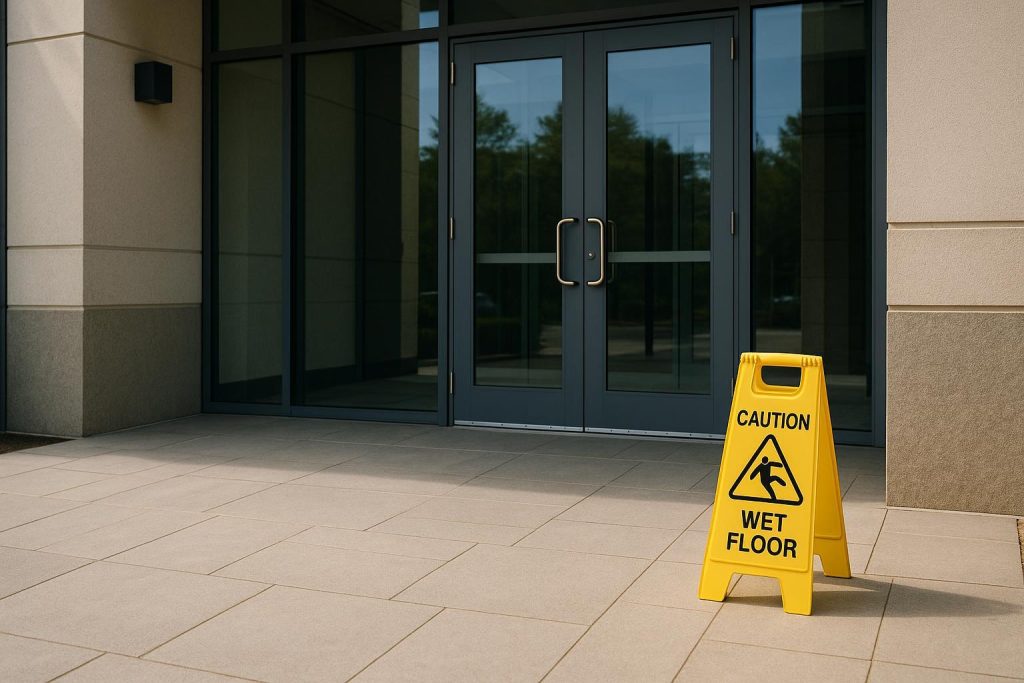
How Property Owners Can Be Held Accountable for Unsafe Conditions
Premises liability is a legal concept that holds a property owner or occupier responsible for injuries that occur on their property, provided those injuries result from negligence or unsafe conditions. In Alberta and many other jurisdictions, this concept plays a central role in how courts determine whether an injured visitor is entitled to compensation. Although it is most commonly involved in slip-and-fall accidents, premises liability can also apply to harm caused by inadequate security, poorly maintained structures, or failing to warn of hidden dangers. Understanding how property owners can be held accountable can help individuals know their rights and make informed decisions if they are injured.
Understanding the Duty of Care
Under Canadian law, an occupier of a property must maintain a reasonable level of safety. This standard of care typically varies depending on the property’s purpose and the nature of the visit. For example, a business that opens its doors to the public is expected to regularly inspect and address potential hazards that may harm customers. In residential settings, homeowners or tenants also must take steps to keep their space reasonably safe for guests, although the specific obligations may differ from those of a commercial property owner.
The premise behind duty of care is that anyone who allows others onto a property should ensure a baseline level of safety. If someone slips on an unmarked wet floor or stumbles over a broken step that has not been repaired for a long time, these situations could result in a legal claim under premises liability. The exact threshold depends on the circumstances, but the general rule is that property owners must not ignore or conceal hazards that could lead to foreseeable injury.
Types of Premises Where Liability May Arise
Premises liability can arise in a diverse range of locations. Although slips, trips, and falls are the most frequent occurrences, almost any setting can lead to liability if safety is not adequately maintained. Below are some common examples:
- Commercial Properties: Retail stores, restaurants, shopping centers, and hotels must ensure clean, well-lit premises. They should post signage warning patrons about wet floors or ongoing repairs. Fire safety measures and clear exit signage are also important.
- Residential Properties: Homeowners and landlords should keep staircases, walkways, and common areas in good repair. Obvious hazards such as broken railings or slippery driveways in winter may lead to a claim if unaddressed.
- Public Spaces: Municipalities and public entities are responsible for maintaining sidewalks, parks, and government buildings. Snow and ice removal, proper lighting, and secure structures help ensure visitors are protected.
- Event Venues: Concert halls, sports stadiums, and large gatherings require thorough inspection and cautionary measures. If a crowd is expected to move through a particular area, it is crucial to ensure that the space is safe and well-monitored.
In each scenario, the property owner or occupier who fails to address hazardous conditions could be viewed as negligent. When this negligence leads to injury, the injured party may have grounds to seek compensation for losses such as medical bills, lost income, and pain and suffering.
Common Hazards That Lead to Premises Liability Claims
While the causes of injury vary, certain types of hazards commonly appear in premises liability cases. Property owners should be vigilant about fixing, warning against, or removing these dangers:
- Slippery and Wet Floors: Spills, melted ice, or rainy conditions can quickly create a slipping hazard if not cleaned or marked. Even smooth surfaces in entryways can become significantly more dangerous when damp.
- Uneven Surfaces and Holes: Cracked sidewalks, loose tiles, broken stairs, and potholes in parking lots often contribute to injuries. Without prompt repair or a visible warning sign, an unfortunate trip and fall can result.
- Defective Railings and Stairs: Properly maintained hand railings can prevent serious falls. If a railing is missing or loose, an individual can lose balance and sustain injuries that might have been avoidable with regular maintenance.
- Poor Lighting: Dark stairwells, dim parking garages, and inadequately lit hallways hide hazards and increase the likelihood of accidents. Adequate illumination is typically a straightforward and cost-effective safety measure.
- Falling Objects: Shelves stacked beyond capacity, loose signage, or unsecured fixtures can fall and injure guests. Retail establishments, warehouses, and large events are particularly susceptible if objects are not stored correctly.
- Inadequate Security: Sometimes, premises liability extends to security issues. For example, if a property owner is aware of recurring criminal activity but fails to install lights, cameras, or guards, visitors who are harmed may claim negligence.
Spotting these prevalent hazards allows property owners and visitors alike to reduce the risk of injury. Regular inspections, quick cleanup of spills, timely repairs, and clear warnings can go a long way toward preventing accidents.
Establishing Negligence in Alberta
To bring a successful premises liability claim in Alberta, the injured party usually needs to prove several key elements:
- There Was a Duty of Care: The owner or occupier of a property must have owed a duty to the injured person. This typically arises when the injured person enters the property lawfully, though in some circumstances, there may still be obligations to trespassers under certain limits.
- That Duty Was Breached: Failing to maintain a reasonably safe environment suggests a breach of duty. This can include ignoring or delaying necessary repairs, neglecting to place warning signs, or otherwise allowing known hazards to persist.
- The Breach Caused the Injury: It must be shown that the injury was a direct result of the hazardous condition. A property owner will often argue that another factor caused the injury.
- The Damage Was Foreseeable: The injury must be a reasonably foreseeable outcome of the negligent act or condition on the property.
If these elements are established, the injured party may have a valid claim. However, premises liability cases can become complex due to contributory or comparative negligence, disputes over the timeline of when the owner was made aware of the hazard, and other factual disagreements.
Contrasting Examples: What Might or Might Not Qualify
Determining whether a property owner is likely at fault often hinges on the specific facts of a given case. To highlight the distinctions:
- Likely Liable: A grocery store ignores a spill in an aisle for several hours, even after receiving complaints. The store placed no warning signs, did not monitor the affected area, and made no attempts to block off the hazard. A shopper, unaware of the spill, slips and fractures their ankle.
- Possibly Not Liable: A store employee notices a puddle and places a bright caution sign next to it immediately. Before the employee can clean and dry the spot, a customer walks past the sign and steps in the puddle. In many cases, the store may have met its duty of care and might not bear liability for injuries in that situation (though specific details can still matter).
This contrast shows how documentation of preventative efforts, such as putting up signage, cleaning spills, or blocking off hazardous areas, plays a substantial role in defending against claims.
Possible Defenses for Property Owners
Not every injury leads to an automatic liability finding against the property owner. Owners and occupiers may have legitimate defenses to refute or reduce a claim:
- Lack of Knowledge: If the owner genuinely did not know about a hazard and had no reasonable opportunity to discover or fix it, they may dispute liability. For instance, if a spill occurs moments before the accident and staff had not yet been alerted, the owner could argue inadequate time to respond.
- Contributory Negligence: In some situations, the injured party’s own actions might have contributed to the accident. If the individual was running in a store or texting and not paying attention, the property owner might argue that the injury was partially the visitor’s fault. Alberta law can reduce a plaintiff’s damages proportionate to their degree of responsibility.
- Obvious Risk: A property owner might argue that a hazard was so extreme or apparent that any reasonable visitor would have noticed it and taken caution. However, this defense can be difficult to establish, especially if ordinary notice measures, like signage or barriers, were lacking.
When property owners can show that they took reasonable steps to prevent known hazards or that the visitor knowingly placed themselves in harm’s way, they may limit or avoid liability. Consequently, each case is a blend of facts, evidence, and legal arguments that require careful exploration.
Preventing Injuries Through Maintenance and Communication
One of the best ways to avoid premises liability claims is to prioritize safety. Whether it is a home, small business, or public space, being proactive in the following ways reduces both the risk of accidents and the occurrence of legal disputes:
- Regular Inspections: Conduct scheduled walk-throughs, especially in high-traffic areas, to spot hazards like loose flooring or slippery entryways.
- Timely Repairs: Fix broken steps, uneven pavements, or faulty lighting fixtures as soon as they are discovered.
- Clear Signage: If an area cannot be immediately repaired, place visible notices or barriers to warn visitors of the danger.
- Proper Training: For commercial businesses, training staff to identify and correct hazards quickly is essential. Encourage a culture where employees report issues immediately.
- Active Communication: In rental situations, tenants should inform landlords about dangerous problems as soon as they notice them. Property owners, in turn, should provide timely updates on when a repair will be completed or how soon the hazard will be addressed.
By investing in consistent maintenance and transparent communication, property owners significantly lower the likelihood of injuries—and therefore avoid or reduce the severity of potential legal claims.
What to Do If You Are Injured on Someone Else’s Property
If you find yourself injured due to an unsafe condition on someone else’s property, prompt attention and documentation are essential. Below are the general steps people often take:
- Seek Medical Help: Address your injuries right away. Calling emergency services or visiting a clinic is always vital. Any delay could harm your health and make it harder to show a clear link between the hazard and your injury.
- Document the Scene: If you are able, take photos or videos of the location, focusing on what caused you to slip, trip, or otherwise get hurt. Gather the contact details of witnesses who saw the accident.
- Report the Incident: Notify the property owner, manager, or landlord. Request a copy of any incident report made on your behalf. This documentation can become significant evidence later on.
- Keep Records: Retain copies of medical reports, receipts for treatment, and any correspondence about the incident. A well-organized file will assist you or your legal counsel in evaluating potential claims or defenses.
- Consult with a Lawyer: If you have questions about your rights or wish to explore a possible premises liability claim, you might consider obtaining professional guidance. Alberta-specific rules and timelines can be intricate, so informed guidance can help you make the best decisions.
The process of filing an insurance claim or lawsuit may feel daunting, but thorough preparation and early investigation help streamline the resolution.
Seeking Legal Guidance in Alberta
In Alberta, resolving a premises liability matter can involve discussions with insurance providers, negotiation with property owners, or, in some cases, court hearings. The injured individual must demonstrate the property owner’s negligence and the link between that negligence and their injuries. Because of the specific nuances in provincial law and the complexity surrounding each accident, seeking legal advice can be a practical way to clarify your options. While not every accident leads to a valid claim, if you believe that unsafe conditions on another’s property have caused you harm, a careful review of the case details can help determine next steps.
Although many people associate legal inquiries with major accidents or commercial disputes, keep in mind that premises liability also includes apparently minor incidents. A small stumble on a neighbor’s loose step could lead to more serious complications later. Having a lawyer examine how the property owner managed or failed to manage the hazard could be beneficial in understanding the scope of potential compensation. Likewise, a property owner might benefit from legal counsel if they face a claim and seek to show they acted responsibly.
Resources for Those Affected by Premises Liability
For individuals dealing with the aftermath of an injury on a hazardous property, no two cases are the same. However, everyone benefits from the clarity that comes with understanding their legal position. Alberta’s laws are designed with fairness and practicality in mind—and many property owners and injured visitors can find a resolution through conscientious negotiation. Whether you are a tenant, shopper, homeowner, or business manager, safeguarding the well-being of all who enter a property is not only moral but can also prevent financial and legal troubles down the line.
If you believe you have a concern about a premises liability case in Alberta, you can learn more about legal support options on our Lawyer Services page. You may also consider reaching out through the Contact Us page to discuss your situation and understand potential legal pathways. Regardless of whether you ultimately decide to pursue legal action, having a foundational understanding of your rights and obligations can help you make balanced decisions.
Ultimately, premises liability underscores the importance of responsible property management. It highlights how routine maintenance, vigilant safety measures, and effective communication can reduce injuries and the legal conflicts that follow. When property owners and visitors alike recognize the significance of safe conditions, everyone stands to benefit from reduced risks and a more secure environment.
